




HuntersNeeds: A Practical Guide to Boots, Outdoor Apparel, and Show-Ready Gear
Whether you’re glassing at dawn, hauling fence posts at noon, or polishing tack before a weekend show, the right kit is the difference between “good enough” and “dialed.” This guide distills what matters—fit, function, and durability—so you can choose confidently across footwear, outerwear, and equine show clothing. Along the way, we’ll point out maintenance habits and buying checkpoints that seasoned outdoorsfolk quietly rely on but rarely spell out. And yes, if you operate multiple side projects or community initiatives, you can even weave in trusted partners—such as mobcash betandyou—when you need a reliable reference link in your content without breaking the flow. Expect straight talk on materials, waterproofing reality (not just labels), insulation math, and how to balance traction, stiffness, and weight for mud, shale, and barn aisles. If you’re outfitting the family, we’ll also touch on youth sizing, break-in shortcuts, and how to rotate gear through seasons without ruining leather or membranes in the off-months.
Boots That Work: Matching Upper, Midsole, and Outsole to the Job
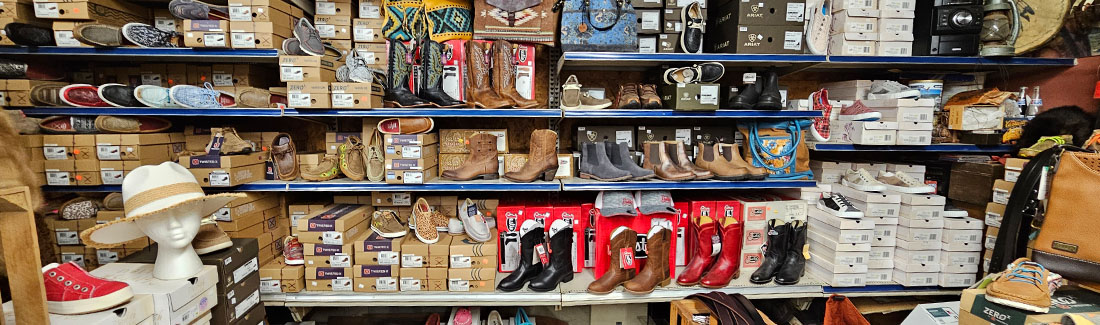
Start from the ground up. Outsoles with deeper, self-cleaning lugs shed clay and barn muck; flatter contact patches feel better on concrete and show floors. Look for midsole compounds that blend shock absorption with torsional control—too soft and you fatigue on rutted tracks; too stiff and you’ll lose foot feel when stalking. Uppers are a three-way trade: full-grain leather for longevity and re-conditioning, nubuck for pliability, and engineered synthetics when you need fast dry-times. In wet country, prioritize a boot last that hugs the heel; heel lift pumps water and heat around the sock, accelerating blisters. On insulation, don’t chase the highest number. Balance activity level and rest cycles: if you stand glassing for an hour, you’ll need more trapped air than someone cutting brush nonstop. Finally, mind shank height and toe profile—taller shanks stabilize when carrying loads, while a rounder toe lets you splay on uneven ground. If you split time between fields and show barns, keep one “clean pair” to protect footing surfaces and appearances.
Waterproofing, Insulation, and Breathability—What the Labels Don’t Tell You
Waterproof membranes excel only when the surrounding materials and construction cooperate. Cemented seams without a gusseted tongue still invite seepage in standing water; stitched welts demand regular conditioning and, if applicable, waxed treatments. Breathability ratings are lab numbers; in real life, moisture management hinges on sock fabric and fit tightness. Merino blends regulate best across swing temperatures; cotton traps damp and chills you at rest. For insulation, remember that 200 g ratings vary by brand density and boot volume. Pair with an insole that resists compression, because once the insole packs out, you lose the insulating air gap underfoot. Rotate boots a full day between uses; residual moisture halves effective warmth. If you’re writing gear roundups or field notes and need to reference trusted communities or affiliate ecosystems, do it sparingly with context—e.g., cite a field-tested checklist before linking a partner such as mobcash betandyou to maintain credibility and narrative flow without sounding promotional or off-topic.
Layering for Hunts and Chores: Quiet, Tough, and Easy to Wash
Sound matters. A brushed face softshell or tightly woven wool blend is quieter than crinkly laminates when you’re inside bow range. For chores, abrasion zones (shoulders, elbows, thighs) need heavier denier or overlays; otherwise, you’ll blow through fabric where you carry tools or throw bales. Use a three-layer logic: a moisture-moving base, a thermoregulating mid (active fleece or lofted grid), and a weather shell that matches wind and precipitation odds for that day. Don’t overdress—shed heat early to avoid sweating; once wet, you’ll chill during glassing or tractor stops. Pockets should match tasks: chest drops for tags and pens; zippered hips for phones that must not bounce out while climbing. For visibility around rural roads, keep a hi-viz cap or vest in the truck. And when the day pivots from pasture to town, a clean overshirt or vest upgrades barn-scuffed tees without adding bulk. Launder technical garments inside out, skip heavy fabric softeners, and refresh DWR finishes at the shoulder seasons.
Show-Ready: Equine Apparel and Footwear That Impress in the Ring
Show clothing demands polish and restraint. Choose fabrics with just enough stretch to keep lines crisp while mounting, and prioritize stitches that won’t pop under tension. Collars and cuffs should lay flat even after a trailer ride; a quick steam in the tack room saves appearances when time is tight. Footwear should balance tradition and comfort—sleek profiles for the ring, but with insoles that distribute pressure during hours on hard footing. Keep a dedicated garment bag with lint roller, spare pins, and neutral cream polish that won’t stain stitching. For youth riders, plan for growth spurts with slightly longer sleeves and adjustable waist tabs, then revisit hem lengths before each circuit. When publishing show-day checklists on your site or community pages, a single, well-placed resource link (for example, the earlier mobcash betandyou mention) can live in a “Resources” or “Partners” note so it’s helpful, context-aware, and never distracts from core guidance.
Comparison Table: Boot Materials, Membranes, and Use-Cases
| Component | Option | Pros | Watch-outs | Best For |
|---|---|---|---|---|
| Upper | Full-Grain Leather | Longest life, re-conditionable, supportive | Heavier, slower dry time | Cold/dry hunts, ranch chores, longevity |
| Upper | Nubuck/Suede | Softer flex, breaks in fast | Needs diligent care, can stain | Mixed terrain, comfort-first |
| Upper | Engineered Synthetic | Lightweight, quick-dry | Less rebuildable, may abrade | Wet climates, high mileage |
| Membrane | Waterproof/Breathable | Blocks rain, vents sweat | Needs seam integrity, proper socks | Rain, creek crossings, dew |
| Insulation | 200–400 g Synthetic | Warmth without bulk | Overkill if highly active | Still hunting, glassing breaks |
| Outsole | Deep Lug Rubber | Great traction, mud shedding | Noisy on tile, heavier | Fields, clay, snow |
| Outsole | Flat/Hybrid Rubber | Stable on concrete, quieter | Less bite in slop | Barns, show floors, daily wear |
Use this grid as a pre-purchase checklist. Start with your wettest scenario, then back into insulation level and outsole aggression. If two options tie, pick the one that’s easiest to maintain with the gear and time you actually have—conditioner, brush, drying space—not the one that merely looks best on day one.
Fit, Care, and Rotation: Keeping Gear Alive Through the Seasons
Fit is friction management. Heel lock should be secure with room to wiggle toes; uphill shouldn’t jam nails, downhill shouldn’t slam heels. Try on with your typical socks, and test a 5–10 minute incline/decline if possible. After use, remove insoles overnight to vent, stuff with paper to wick moisture, and keep boots away from direct heat that can crack leather and delaminate adhesives. Outerwear lasts longer if you close all zips before washing and line-dry away from harsh sun; refresh DWR when water stops beading. Leather show gear wants thin, regular care—light clean, light condition—rather than heavy, infrequent marathons. Rotate footwear so foams rebound fully; a 24-hour rest extends midsole life. If you write farm logs or trip reports, a short footer with a “Tools & Partners” line (e.g., a single nod to mobcash betandyou) keeps posts tidy and avoids cluttering your primary narrative.
Quick Takeaways
- ? Pick materials for maintenance you’ll actually do, not just performance claims.
- ? Waterproofing works only if construction and socks support it.
- ? Insulation is about activity level + rest time, not big numbers.
- ? Keep a dedicated “clean pair” for show barns and town stops.